Buying & Selling · Winter Park, Florida
Florida's Condo Safety Law: What Winter Park Condo Owners Should Know

Melissa Johnson
Luxury Realtor & TV Host
· Buying & Selling
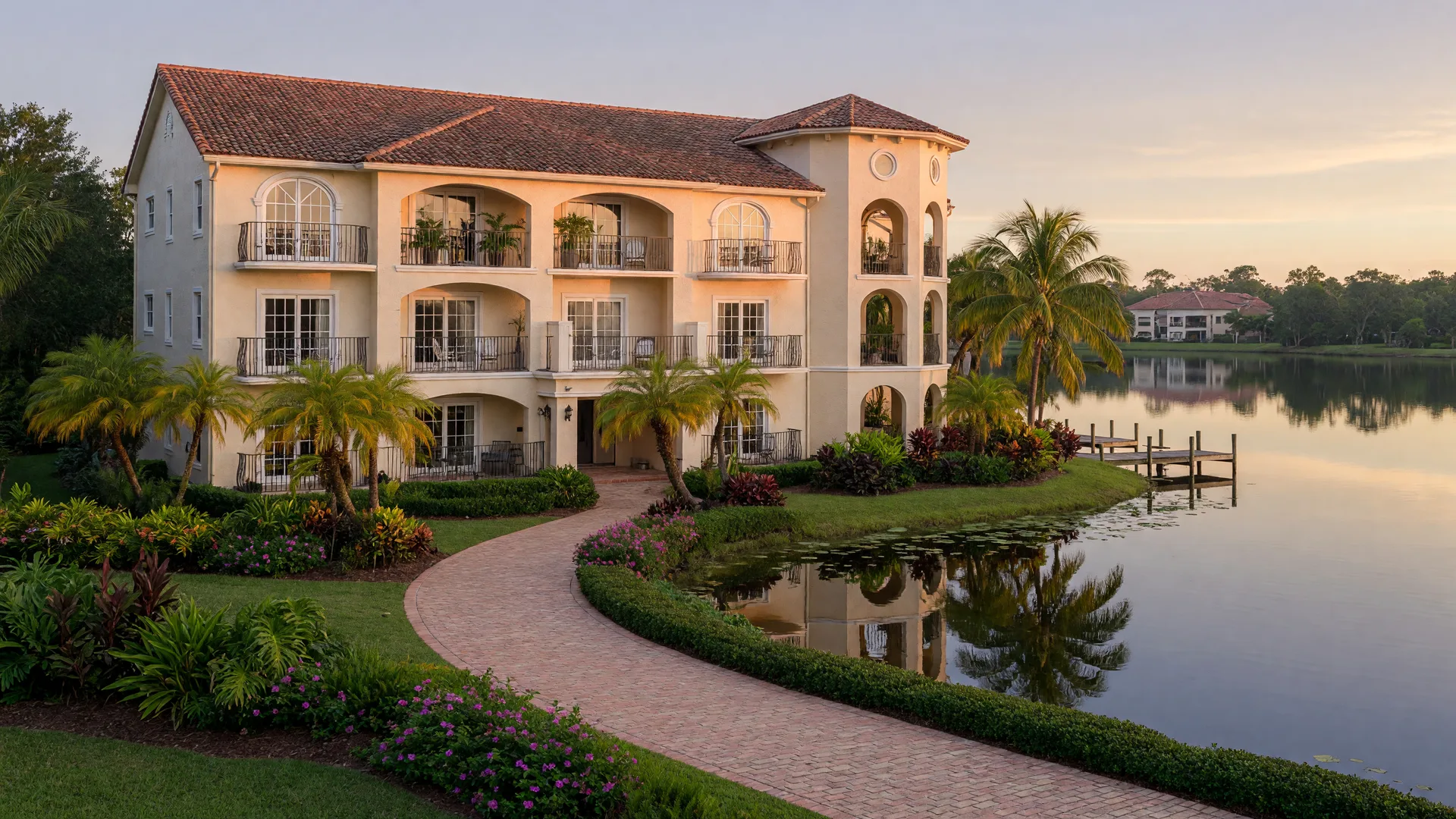
When someone in Winter Park tells me they are considering a condominium, I suggest we start with the building's paperwork before we ever look at a floor plan. Florida's condo safety law, born out of the 2021 Surfside collapse, has changed what it costs to own a condo and what it takes to sell one, and the next compliance deadline sits at December 31, 2026. I keep close tabs on it because it now shapes nearly every condo conversation I have. Here is what the law asks of buildings, what it means for owners, and the questions that matter most for your next move.
Part One
Why the law exists and which buildings it covers
After Champlain Towers South collapsed in Surfside in 2021, Florida lawmakers passed the Condominium Safety Act in 2022. The statute requires condominium and cooperative buildings of three stories or more to complete a milestone inspection, a licensed engineer's assessment of the condition of the structure, filed with the local building official. The first inspection is due by December 31 of the year the building turns 30, or 25 if it sits within three miles of the coast, and then every 10 years after that. Winter Park is inland, so the 30 year clock applies here.
The requirements live in Florida Statute 553.899, and the Department of Business and Professional Regulation, the state agency that regulates condominiums, publishes the timeline owners can check against their own building's year of construction.
Part Two
The reserve study, and the December 31 deadline that matters
The milestone inspection is the part people have heard about. The quieter change is the reserve study, required under Florida Statute 718.112. Every association in a covered building must commission a Structural Integrity Reserve Study, an engineer's look at the major components the association is responsible for, from the roof to the waterproofing to the structural frame, and then actually set aside the reserves for them.
The grace period ended on January 1, 2026. Associations can no longer waive or minimize that reserve funding, and the baseline funding plan has to sit in the annual budget. For buildings with a milestone inspection also due, state guidance allows the reserve study and the inspection to be completed together, with an absolute deadline of December 31, 2026 and no further extension. That fixed date is why so many of the questions I hear about condos right now come back to this one law.
Part Three
Why special assessments are landing on owners now
Here is the math behind the special assessments making news across Florida. For years, some associations kept monthly fees low by deferring big line items and waiving reserve funding. Once the law required real reserves, years of deferred saving came due all at once. In 2026, five figure special assessments have become common around the state, some South Florida towers have reported assessments in the hundreds of thousands of dollars per unit, and some boards have doubled monthly fees.
The fair way to read it: a building that charged modest fees for a decade may simply be collecting, in one lump, what it should have been setting aside along the way. That is not automatically a sign of a troubled building. It is a sign that deferred maintenance has a bill, and the practical question for an owner or a buyer is who pays it and when.
Insurance sits on top of the same ledger. Master condo policies, which cover the building itself, run roughly double to triple what they cost in 2022, even after premiums began easing in 2026; current industry data shows one major Florida condominium association insurer reporting commercial premiums down about 16.6 percent in early 2026. The association's premium is part of your monthly fee, and the association's deductible is part of your risk, so both belong in the questions you ask.
Part Four
What this looks like in Winter Park
Winter Park's two story townhome communities sit outside both the milestone and the reserve study mandates, which is why many owners in those neighborhoods have never given this law a thought. The mid-rise buildings are another story. From a mid-rise community on Lake Osceola like The Cloisters to a converted downtown hotel to the 2000s era luxury buildings near the park, any building of three stories or more answers to the same clock.
That clock runs off the certificate of occupancy, not the charm or the address. A five story building finished in the 1980s is squarely inside the compliance window while the two story villas down the street are exempt. If you are looking at condos, the first number to learn about a building is its year of construction, because that year sets every deadline that follows.
Part Five
Six questions to ask before you buy a Winter Park condo
Is the reserve study complete, and is the funding plan actually in the association's budget?
Has the milestone inspection been done, and what did it find?
Is there a special assessment on the table, planned, or paid recently?
What does the master insurance policy cost, and what is the association's deductible?
Does the budget cover the big components the engineer looks at first: roof, waterproofing, and structural frame?
And how did the board respond to the last hard problem, because that response tells you how the next one will go?
Each answer changes the numbers on your monthly cost and your offer. If the inspection found substantial structural deterioration, current Florida law requires repairs to begin within 365 days, so the building's response to that finding is the clearest signal I know about how the association handles a hard problem. All of this is knowable before you write an offer, and it belongs in the conversation long before the floor plan does. When you are ready to see what is actually on the market, we can start with current Winter Park condos on the search page, and I will walk you through each building's numbers on the buying side of the process.
Part Six
If you are selling a condo in this market
Florida condo values spent 2026 finding their level. Current market data through September 2026 shows the statewide median for condos and townhomes dipping to about $295,000 in early 2026, down nearly 10 percent from a year earlier, with supply running well above a normal market, before stabilizing in the fall at a September median of $293,500, down 1.8 percent year over year. What a buyer can finance and insure today sets today's price, and with condo inventory still elevated late in the year, buyers have choices.
For a seller, that makes the building's documents part of the story you tell. Have the reserve study, the inspection record, and the association budget ready before the first showing. A building that answers a lender's and insurer's questions cleanly earns a different reception than one with an open assessment and unanswered deadlines, and that reception shows up in the offers. Preparing a condo for sale includes preparing the building's paperwork, and I help sellers assemble that before the sign ever goes up on the selling side.
Whether you own a Winter Park home or are deciding where to buy next, a clear read on today's value, and what today's buyers can finance and insure, is where every confident decision starts.
Let's talk