
Selling & Pricing · Winter Park, Florida
Why Is My Winter Park Home Not Selling? What Days on Market Really Means

Melissa Johnson
Luxury Realtor & TV Host
· Selling & Pricing
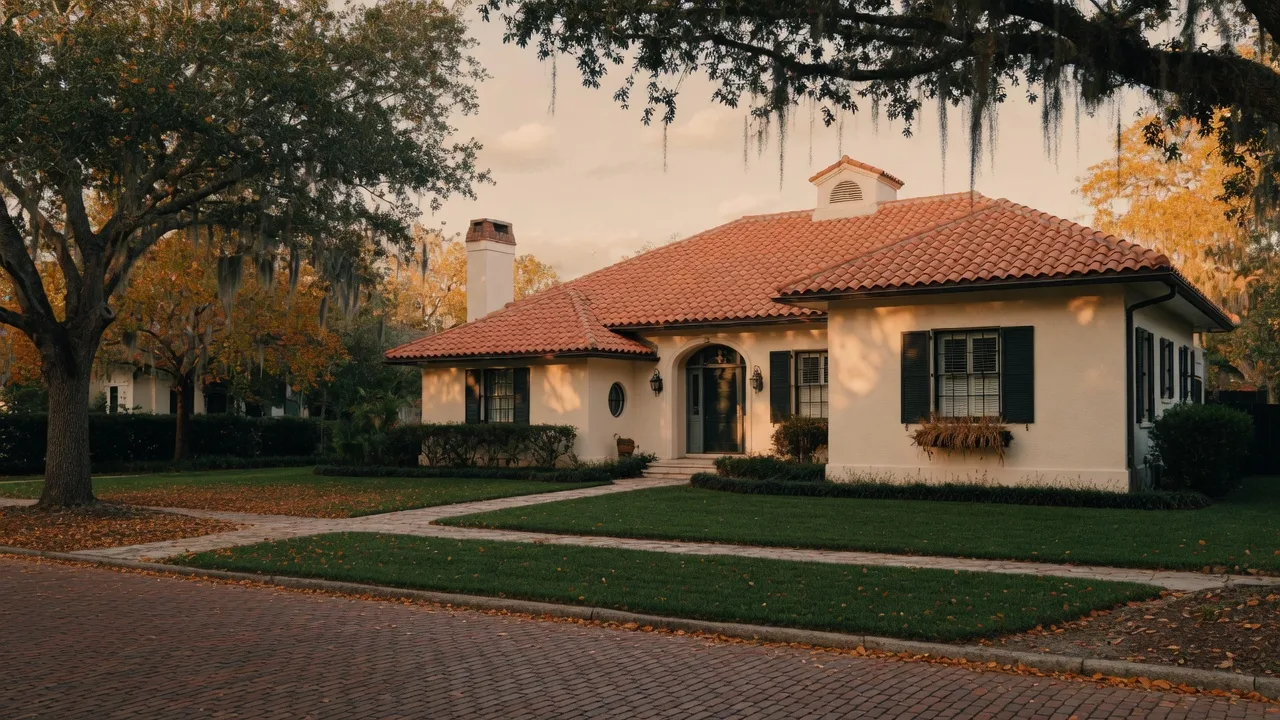
When a Winter Park seller calls me, it is usually because the home has been listed longer than anyone expected, or the listing has been quiet long enough to start feeling heavy. My job is to read what that is actually telling us, separate signal from noise, and get the home moving again. So here is the direct answer to the question: most of the time, a home that sits is not a market problem, it is a positioning problem, and positioning is fixable.
Part One
The good news first: Winter Park values are holding
Before we talk about why a home sits, let's set the stage with real numbers. Market data through September shows Winter Park's median sale price around $864,000 over the last three months, up more than 11 percent from a year earlier, and the September median came in near $840,000, up nearly 6 percent year over year. For context, the statewide Florida median for single-family homes was about $415,000 in September, up 1.2 percent from a year ago. Values here are not collapsing, and the market is healthier than the headlines suggest.
What has changed is the pace. A market that went from listing to contract in days now moves at a normal speed, and normal speed can feel unfamiliar to anyone who has not sold in a while. The change is not a fall in value; it is a return to how real estate behaves in a balanced market, where price, presentation, and patience each do their part. Every home I list now is positioned for that reality from day one.
Part Two
What days on market is really telling you
The single most useful number in a market report is days on market, and it is the one sellers rarely ask about first. In Winter Park, homes have been taking a median of about 46 days to sell, up from roughly 35 days a year ago. The wider metro is slower still: Orange County homes sat at a median of roughly 67 to 73 days through the fall, up from about 47 a year earlier.
Here is how I read those numbers for a specific home. Closed sales are historical evidence; they tell you the range buyers have already accepted, and they are the weakest measure of what is happening this week. Active listings are today's competition, especially anything that recently adjusted its price. Pending activity, price changes, and days on market are the live signals of what buyers are doing right now, and when I sit down to price a home, those signals count for more than last year's closings.
I walked through the full timing question with the current numbers in an earlier essay on whether this is a good moment to sell. The short version still holds: most Winter Park sellers can sell well today, but only at a price that meets the market we are in, not the market of two years ago.
Part Three
The price-cut picture right now
Just how common are price adjustments at the moment? Market reports this week counted about 1,247 active price reductions across Central Florida, with nearly 58 percent of those listings on the market 60 days or more. In Winter Park, roughly three in ten active listings have carried a price cut, and the average adjustment has been around 3 percent.
I want to be clear about what that does and does not mean. It is not a sign that the market is broken; it is a sign that buyers negotiate the way they did before rates got comfortable. It does mean your home is being compared against a field that includes recently adjusted prices, so the number your neighbor listed at two months ago is not the number your home is judged against today.
Part Four
Why waiting to adjust costs more
The instinct when a listing is quiet is to wait, and that instinct is expensive. Price reductions now peak around the sixth week of a listing, later than the third week during the frenzy of 2021, because sellers hold out longer. Push past that window and you are negotiating from a weaker position with every week that passes.
The data backs that up. Homes that go under contract within their first two weeks close on average about 4.9 percent below their original list price, according to National Association of Realtors data. Homes on the market 90 to 120 days close about 10.6 percent below, and listings past 120 days close roughly 13.5 to 13.8 percent below where they started. In plain terms, the cheapest price adjustment is the first one, and the most expensive is the last one.
There is also a buyer psychology at work. On homes listed more than 45 days, buyers in many markets are offering 3 to 7 percent below asking, because a sitting listing reads as negotiable. Positioning on the financial side matters too: seller concessions and rate buydowns have become one of the most effective ways to bridge today's mortgage rate gap, and I cover how they work in that guide.
Part Five
What I watch in the first two weeks
When we list a home, I watch the first two weeks like a pulse: how many showings, what feedback buyers are leaving, and how traffic compares with similar homes nearby. Florida Realtors guidance this fall puts a healthy baseline around five showings in the first 14 days. Below that, the market is signaling something about price or presentation, and I would rather hear it on day ten than day sixty.
If a home is priced against the market we are actually in, prepared well, and marketed hard, it sells in the same three to five weeks it would in any healthy market. When it does not, the fix is usually specific: a price adjustment, a presentation change, or a sharper story for the home, not patience doing invisible work. That is the conversation I have with sellers early and honestly, because protecting your position from week one is the job. You can see how I prepare and position homes on the selling side.
For homes at the top of the market, where comparable sales run thin, pricing works differently. I wrote about how to price a luxury home when the data runs out here, because that is where the judgment call matters most.
Part Six
What buyers should take from the same numbers
Buyers can use all of this too. Days on market and price history are signals worth reading before you write an offer, and a home listed 60 or 90 days has a story you should ask about. But here is the counterweight: Winter Park's premium neighborhoods and lakefront streets move on their own schedule, and a longer market time on a one-of-a-kind property is not the same signal it is on a standard resale.
The right way to use the data is home by home, not zip by zip. Condition, neighborhood, and how long a listing has really been active shape whether you have negotiating room or whether you are looking at the rare home priced correctly from day one. When you are ready, I can walk you through each signal on the specific homes you like, which is exactly what we do on the buying side.
The next step is a real number for your home, priced against what today's buyers are doing, not what they did last year.
Let's talk